There are days when you struggle to get out of bed and shower and get dressed. And then there are days when you climb a mountain 😍. God is truly great!
Summited my second mountain, Mount Eddy, at 9,037 feet, the second highest mountain in Northern California. The trail was long and difficult (even though folks online called it easy haha) and gained 2,267 feet over 5.4 miles over nearly 4 hours.
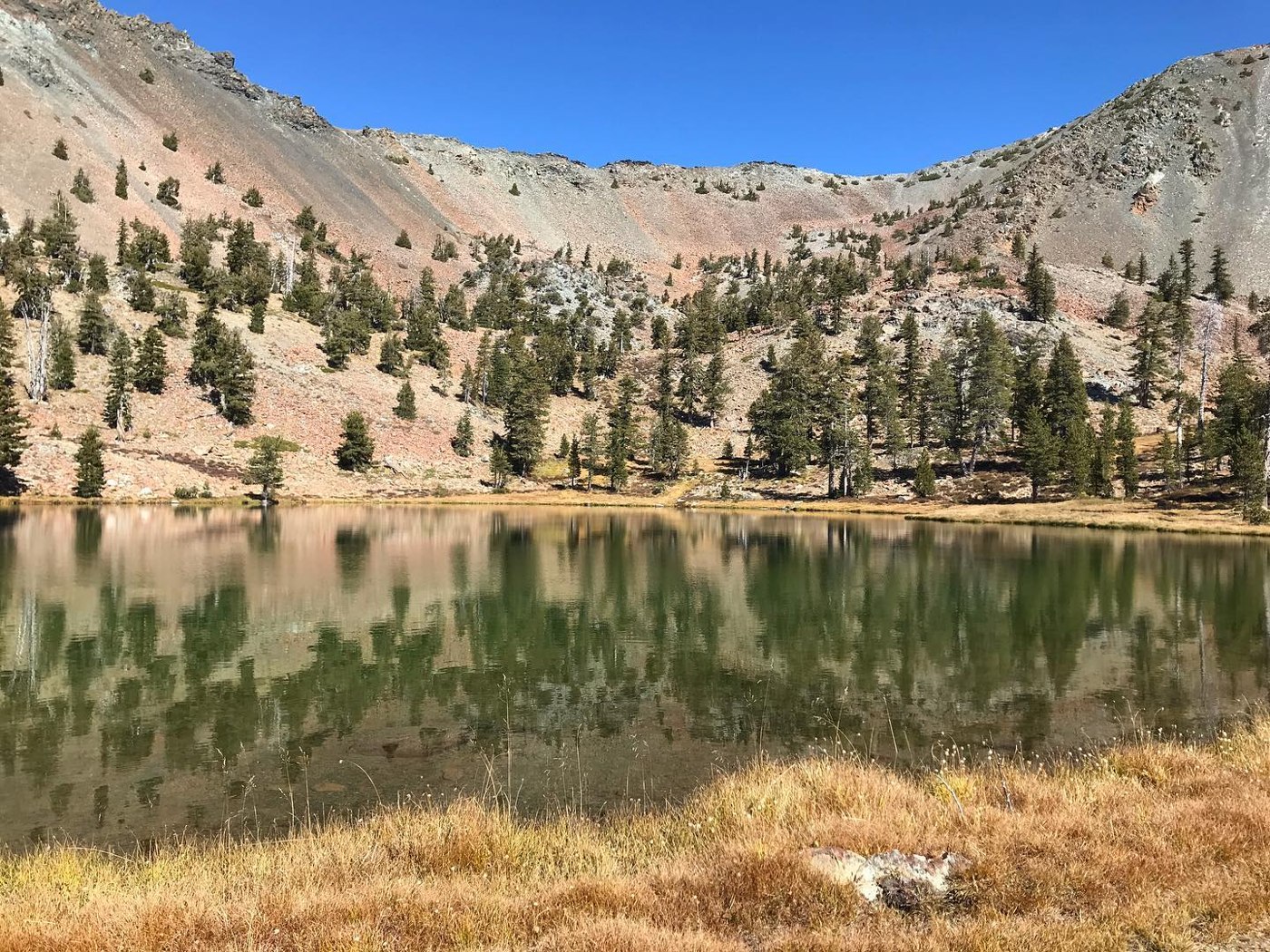
It wove through valleys and hugged the sides of steep mountains, a foot wide in places, rocky, with steep drop offs on the side. There was no reception anywhere except at the trailhead and at the summit. (In hindsight, I should have carried a beacon, but oh well.)
I’m learning that fear of heights (which is basically fear of death) never really goes away. You just get better at dealing with it.
And the incredible thing about mountain climbing as opposed to other forms of exercise is that after the first hour or so, you genuinely feel yourself getting stronger with every step.
Your heart and lungs adjust to the reduced oxygen, and parts of your body that had long lied dormant wake up and begin to dance at finally being used. You discover stamina and endurance you never knew you had. You learn to focus all your concentration on the step ahead of you, and then on the one after that.
You who had always thought of yourself as a mind attached to a body begin to fully experience your body. You have a body! And it’s incredible! You begin to trust your steps. You begin to trust yourself.
The last hour of the ascent is brutal as a series of steep switchbacks on a scree-filled slope make their way up the face of the mountain. You keep looking up to see how much more there is, and again and again, more faces of the mountain reveal themselves awaiting your arrival.
You learn to count, regularly, as a way of quieting your mind’s incessant chatter. You had learned this on Mount Toubkal, whenever you crossed an especially scary stretch of trail. “Just count to 100,” and it’ll be all over, you soothed yourself. And sometimes it would go until 200 or 300 or more.
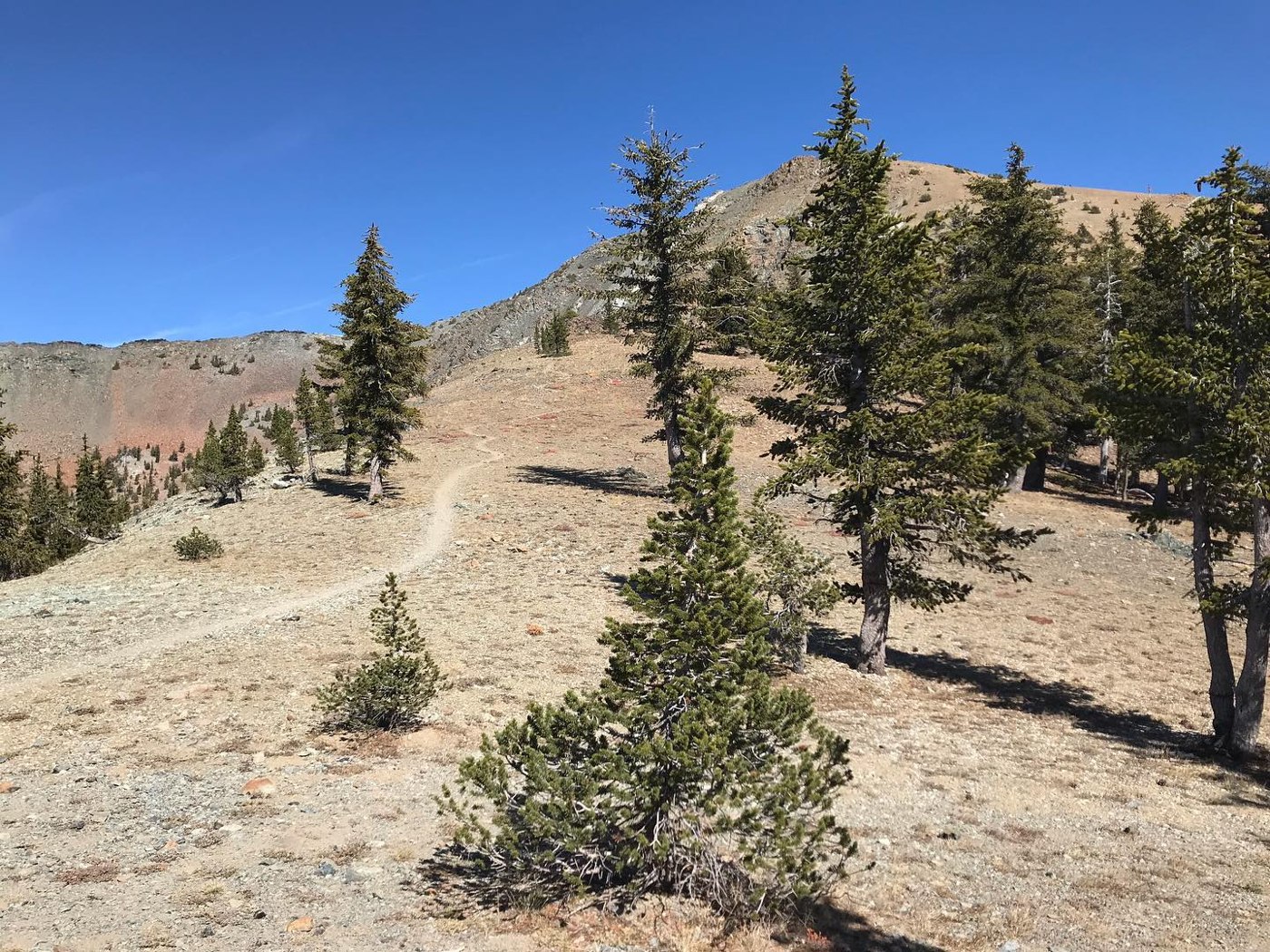
As you start the last hour, you guesstimate that it will involve 1,500 paces tops. By the time you reach the summit, you have been counting for the past 3,900 steps.
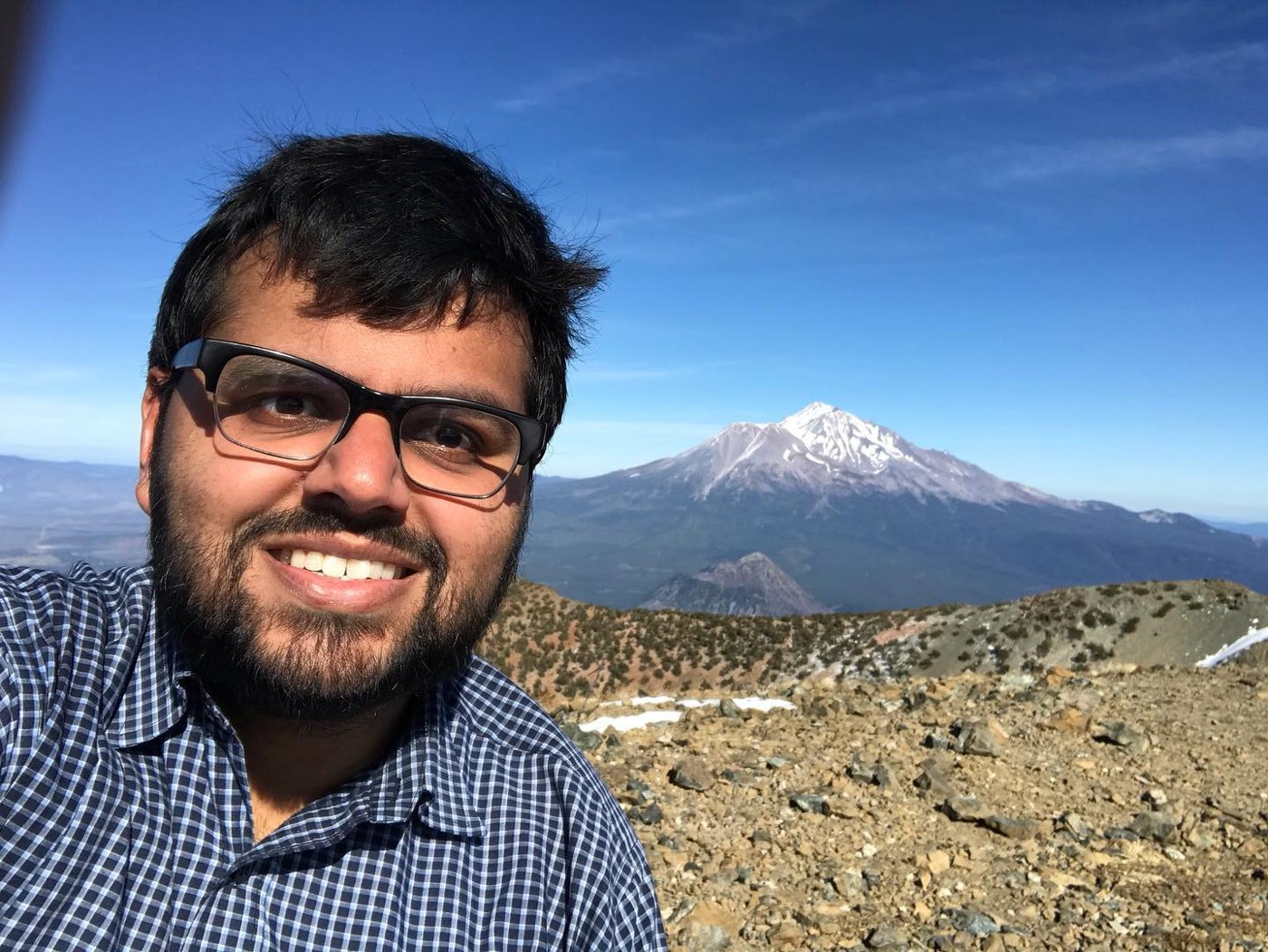
You have a moment of confusion, a belated feeling of arrival, like that’s it, it’s over? You look around and then finally notice the massive face of Mount Shasta staring at you, a mile higher than you still.
You take a few moments to enjoy the summit, and then, the part of your mind that is always whining and trying to keep you alive, reminds you how much tougher the mountain face will be while descending. You briefly entertain the fantastical notion that what if you suddenly lost your resolve, and stayed up here for another day or two or three before someone else arrived, and you needed a helicopter to take you off the mountain because your fears had dominated your resolve.
This is dangerous - you know the risks of letting your mind run uncontrollably. So, you stand up, put on your backpack, and take the first step of your descent. And you realize that the worst - and most unhelpful type of - fear is anticipatory fear, that sorts by worst case scenario and weakens you. And the best way to vanquish it is to act. The fear is still there but when you’re acting (or descending the mountain) it quickly gets drowned out by the calculations necessary to take each additional step.
You are grateful beyond words for the owner of the Weed General Store in the town of Weed, California, at the base of the mountain, where you had stopped that morning to ask if he sold hiking poles. He shook his head, responding that he used to sell them, but not anymore. You asked him how hard Mount Eddy was, and he told you it was easy and you would love it. “Are you sure I won’t need poles on the descent?” He paused and then said “Come with me.” He took you to his car parked outside and gave you his own hiking poles to borrow for the day. He told you he closed at 7pm but if you were late, to leave the poles by the store’s back entrance.
Now you cannot imagine descending without the poles. They help your confidence tremendously. Without them, you might not even have been able to leave the summit.
You visualize yourself returning to the store to thank the man profusely, and you find that a powerful light at the end of the tunnel, that you have to give him back his poles.
You realize that in mountain climbing, as in life, new abilities and realizations come to you precisely when you need them. When you had been climbing up, once, in a moment of weakness, you had looked back at the steeply descending trail behind you, unsure of how you would make it down. You assure yourself: “I don’t know right now, because I don’t need to know right now. When I need to know, I will know.”
And then as you descend, even though it’s so much scarier than the ascent, you begin to feel yourself transforming. Part of it is that the air has more oxygen with every step you take, so you feel your mind and body functioning better, stronger, more acutely. Part of it is that you realize that you have just freaking summited your second mountain, and this time, all by yourself. Once could have been a fluke but two is no accident. Data scientist, writer, storyteller - you are now a mountain climber as well.
You realize all that you have to live for - especially your family and your loved ones whom you had told about your route and plan, whom you had told to expect to hear from you at 6pm. You love them more than words can describe and you need to get back to them safely and you know how worried they’ll be. Texting them triumphantly from your car - that too becomes a light at the end of the tunnel.
When you near the end, you experience a restlessness, a feeling that you are just about completely spent, that you just want it to be over. Tomorrow, I’ll be comfortable at home telling my family about this, and this will all seem like a dream, you tell yourself. With a half mile left to go, you begin to hallucinate the hut at the trailhead, seeing it twice in the distance, only to realize it was just in your head. You consult your GPS to make sure you are still on the trail. The last 5 minutes seem to go on for hours.
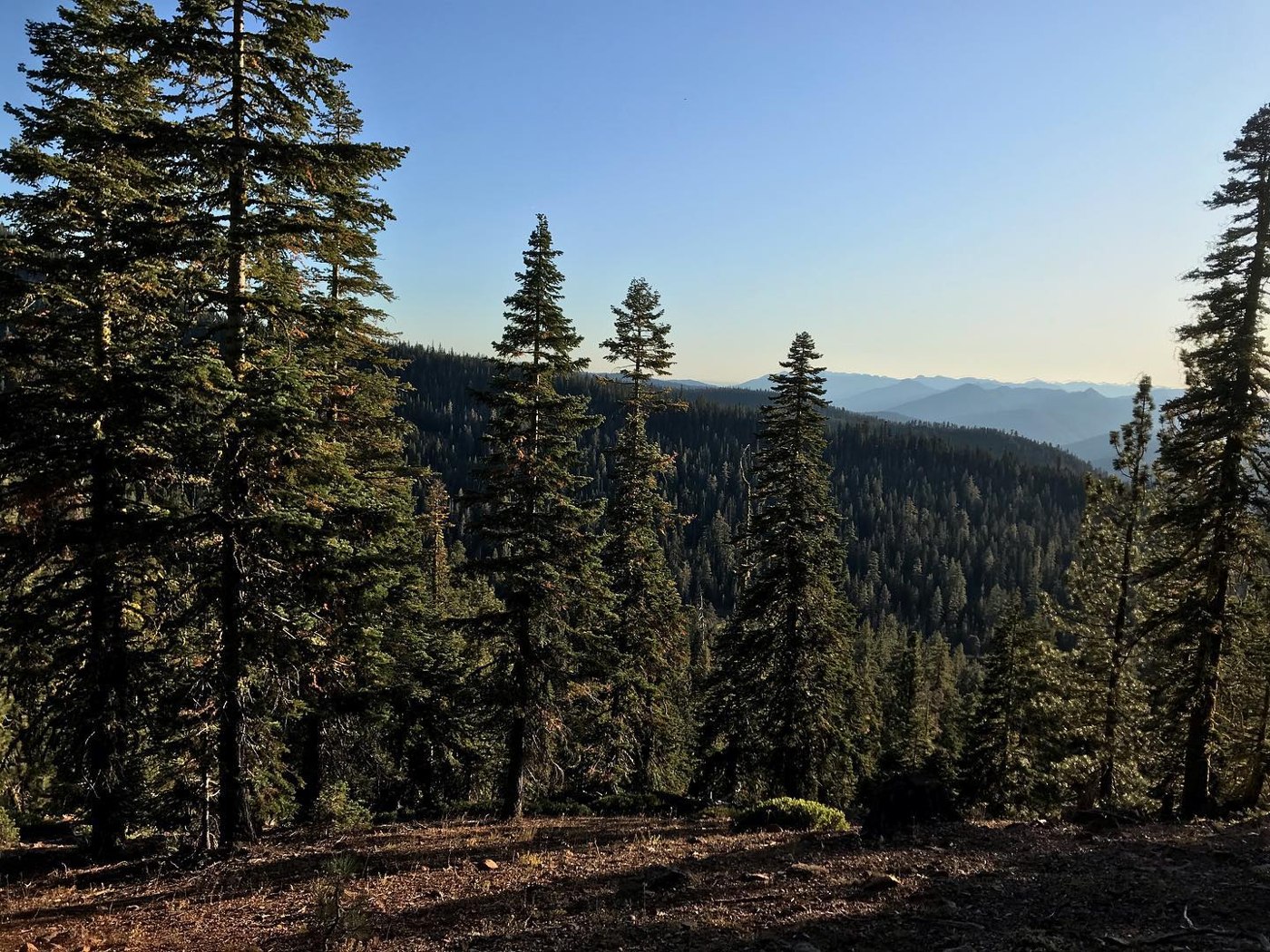
And then you’re in your car, you’re texting your family, you’re driving down Forest Route 42N17, which will take you down from 6,800 feet to 3,500 feet, a windy mountain road with steep dropoffs on the side, a road that in Europe may have been a national attraction, but in California, is just another mountain road.
And then you’re at the Weed General Store, leaving a note for the owner, buying souvenirs, telling the employee how the hiking poles had saved your life. “Did you just climb Mount Shasta?” he asks. “I wish!” you exclaim. “Mount Eddy,” you correct him. He tells you he used to work on that section of the Pacific Crest Trail in the 1980s. “Wow!” you say. “You must have done a lot of hiking.”
He says no, he only worked on the trail, he was too afraid of heights to actually hike it. You tell him you’re from NYC, and you climbed your first mountain earlier this year. You tell him what your friend Nick told you that changed your life. “How will you ever know how much ability God gave you unless you try? What if you had the ability to climb mountains all along, and you never discovered that because you were afraid?” The employee is moved by this. You are too.
Then you are at Starbucks washing your face and getting coffee to go. You feel boundless reserves of energy bubbling to the surface. You decide to drive five hours back to San Francisco that very night. The amazing thing about climbing a mountain is that almost everything else in life seems easy in comparison.
You remember something you read long ago - “Forced repetition of acts of courage is the only way to conquer fear.” You are finally beginning to understand what that means.